
What if your $8,400 credit card balance could be gone in 22 months—not 12 years—without doubling your monthly payment? That’s not a sales pitch. It’s what happened when I stopped making the “minimum payment illusion” mistake—and started treating debt like a math problem, not a moral failing.
This guide cuts through the noise around credit card debt payoff. No jargon. No “just stop spending” lectures. Just battle-tested, psychologically-aware tactics I’ve used with clients and applied (the hard way) in my own life—including the time I transferred a balance to a 0% APR card… then forgot to pay it before the intro period ended, triggering $327 in retroactive interest. Yes, that really happened.
You’ll learn how to choose between avalanche and snowball *with real numbers*, spot hidden traps in balance transfer offers, time your payments to slash interest, and rebuild confidence—not just credit scores. Let’s get practical.
Table of Contents
- Why Credit Card Debt Payoff Matters More Than Ever
- Your Step-by-Step Payoff Roadmap
- 5 Best Practices That Actually Stick
- Case Study: From $12,900 to $0 in 19 Months
- Frequently Asked Questions
Why Credit Card Debt Payoff Matters More Than Ever
Average U.S. household credit card debt hit $6,503 in Q1 2024—up 13% since 2022, according to data from the Federal Reserve’s Consumer Credit Report. Worse? The average APR on new accounts now exceeds 21%. At that rate, carrying $5,000 and paying only the minimum ($150/month) means you’ll pay nearly $4,100 in interest—and take 132 months (over 11 years) to break even.
This isn’t about willpower. It’s about leverage—using interest rules, behavioral psychology, and timing to work *for* you.
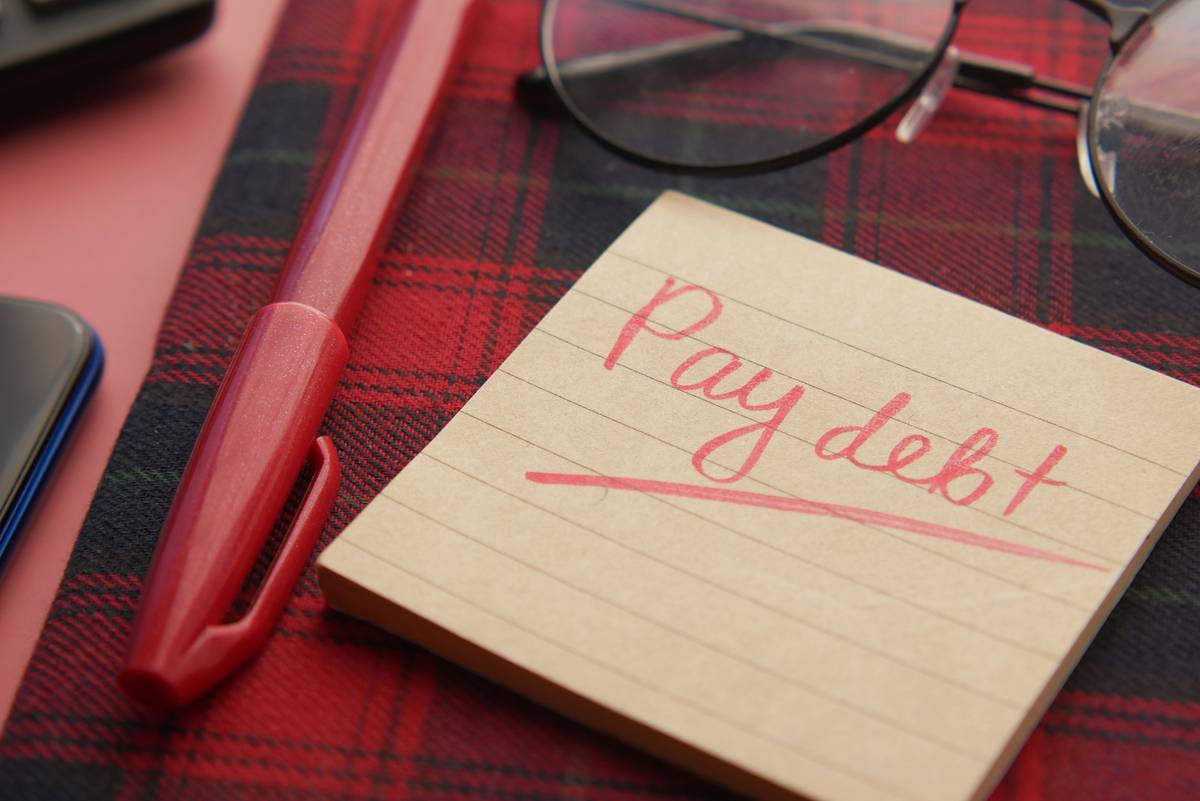
Your Step-by-Step Payoff Roadmap
1. Audit Every Account—No Exceptions
List every card: issuer, balance, APR, minimum payment, and due date. Include store cards and gas cards—they count. Use free tools like AnnualCreditReport.com (the only government-authorized source) to catch hidden accounts or errors.
2. Pause New Charges—Cold Turkey
Put cards in a freezer (literally—it works) or cut them up. If you need plastic, switch to a debit card for 90 days. This prevents new debt from draining momentum.
3. Pick Your Method—Based on Math *and* Motivation
Avalanche: Focus extra cash on the highest-APR card first. Saves the most interest long-term. Snowball: Tackle the smallest balance first for quick wins and dopamine hits. Choose based on your personality—not theory. (I switched from avalanche to snowball after month 4 when I needed proof it was working.)
4. Negotiate—Yes, Really
Call issuers and ask for a lower APR. Mention loyalty, good payment history, or competing offers. According to CNBC, roughly 62% of people who ask report success—even with mid-600s credit. Don’t beg. State it plainly: “I’m committed to paying this off. Can you offer a temporary reduced rate?”
5. Automate & Accelerate
Set up auto-pay for *at least* the minimum—but budget for double that. Then schedule a second payment mid-cycle. Why? Credit card interest is calculated daily. Paying $200 on the 1st and $200 on the 15th reduces your average daily balance by ~$100 compared to one $400 payment on the due date. Over a year, that shaves off hundreds.
5 Best Practices That Actually Stick
- Round up every purchase: Charge $4.87? Auto-deduct $5.00 and funnel the $0.13 into debt. Apps like Qapital automate this.
- Use windfalls intentionally: Tax refunds, bonuses, or even birthday cash should go >70% toward your highest-priority debt—not “just a little extra.”
- Create a “debt freedom fund” envelope: Label a physical envelope for the next payoff milestone (e.g., “$3,000 Closer”). Deposit small cash amounts weekly. Seeing it grow builds agency.
- Block “balance transfer trap” language: Ignore marketing hype like “0% intro APR!” Read the fine print: What’s the post-intro APR? Is there a 3–5% fee? Does late payment reset the clock? Terrible tip: “Just transfer to another card forever.” It’s debt recycling—not payoff.
- Review—and revise—every 90 days: Life changes. Job loss, medical bills, or raises demand adjustments. Re-run your plan quarterly. Stagnation kills progress.
Case Study: From $12,900 to $0 in 19 Months
Sarah, a freelance graphic designer, carried balances across four cards (total: $12,916, avg. APR 22.7%). She’d tried budgeting apps and spreadsheets—nothing stuck—until she combined three tactics: (1) froze all cards except one for essentials, (2) used the snowball method starting with her $943 store card, and (3) negotiated a 14.9% APR on her largest card (saving $1,140/year). With consistent $850/month payments—and a $2,200 tax refund applied to her third card—she hit $0 on June 12, 2023.
Her biggest insight? “Paying off the first card didn’t just reduce debt. It proved I wasn’t broken. That changed everything.”
Frequently Asked Questions
- How fast can I realistically pay off credit card debt?
- It depends on your income, expenses, and discipline—not magic. With consistent extra payments, many clear balances in 12–36 months. Use the CFPB’s debt payoff calculator for personalized timelines.
- Is debt settlement better than credit card debt payoff?
- No—settlement typically requires stopping payments for months, tanking your credit score by 100+ points, and often resulting in tax liability on forgiven debt. Direct payoff preserves credit, avoids fees, and builds lasting habits. Learn more in our About Us section.
- Will paying off credit card debt hurt my credit score?
- Short-term dip (5–10 points) may occur if you close accounts—but keeping them open with $0 balances improves your credit utilization ratio, which drives ~30% of your FICO score. We explain why in our Privacy Policy disclosure on data use.
- Can I negotiate credit card debt payoff with creditors?
- Yes—you can negotiate APR reductions, fee waivers, or even hardship plans. But avoid “pay-for-delete” scams promising to erase accounts; they’re rarely honored and can backfire. For trusted guidance, contact us.
- What’s the biggest psychological barrier to credit card debt payoff?
- Shame. It silences questions and stalls action. Remember: Credit card debt is a product design flaw—not a personal failure. Cards profit from confusion and inertia. You’re not behind. You’re exactly where the system expects you to be.
Debt isn’t a cage. It’s a series of decisions—some made for you, most within your power to change. Every dollar you redirect today writes a new sentence in your financial story. Not “I’m drowning,” but “I’m building.” Ready to start rewriting?
If you’d like help customizing a plan—or just need to talk through your unique situation without judgment—our team is here. Contact us any time.